



It does not receive public funding
Editor in chief:
CLARA MOSCHINI
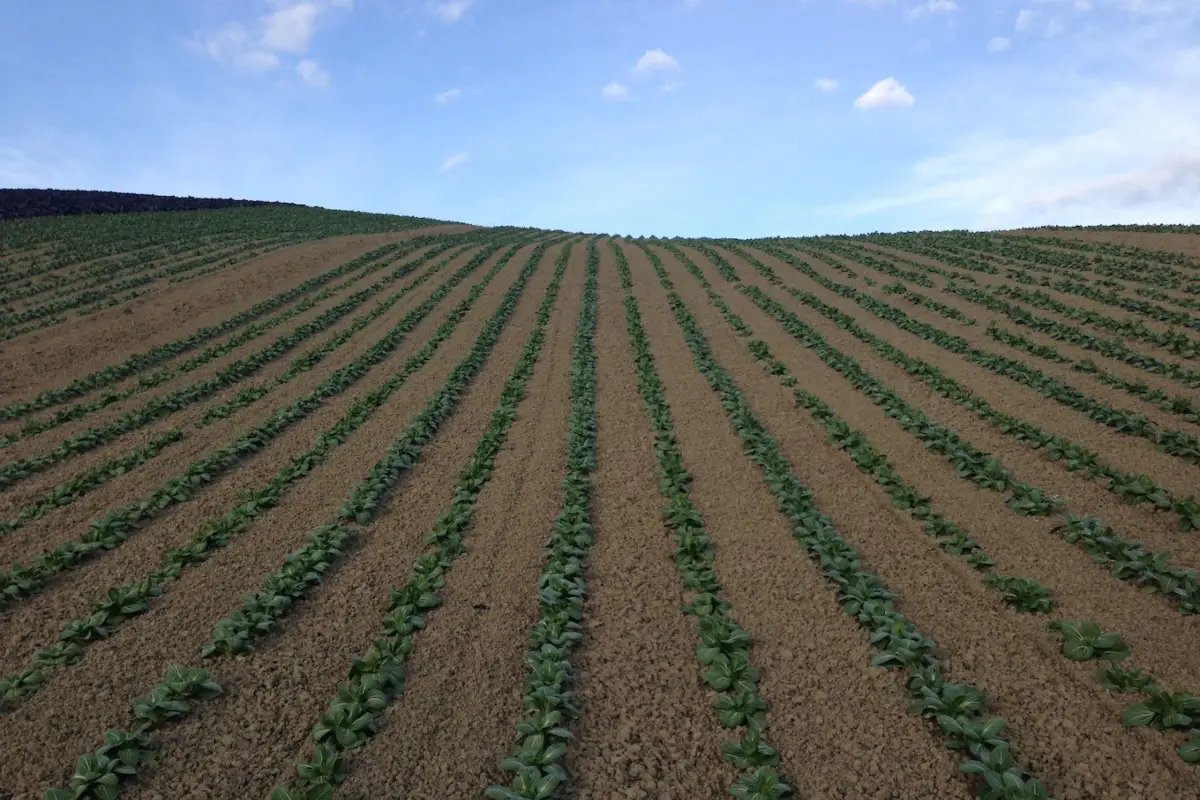
With 42,500 hectares earmarked for the propagation of vegetable and aromatic seeds in 2024, Italy confirms its European leadership in the sector. This is according to a survey by Assosementi, the association representing Italian seed companies and horticultural nurseries, which depicts a stable sector despite an increasingly complex production environment.
Radish remains the leading crop among the most widely cultivated vegetables in 2024, with 2,655 hectares, while chicory and radicchio (2,319 hectares) continue to show positive trends, recording significant increases in acreage for the second consecutive year. Also noteworthy are the performance of onions (1,613 hectares) and peas (1,435 hectares), whose acreage has nearly doubled in the last four years. Mustard, however, continues to decline, primarily due to reduced demand from Asian markets. In the aromatics sector, coriander continues to lead the way, with steady growth in cultivated acreage.
Regional trends remain strong: Emilia-Romagna leads with 14,112 hectares, followed by Puglia (10,474 hectares) and Marche (6,264 hectares). Molise (6,126 hectares) and Basilicata (1,279 hectares) also stand out, both up more than 30%, confirming the growing interest in these products.
"The data emerging from our analysis further confirms the strength of the horticultural sector," stated Nicola Santini , President of the Vegetable Crops Section. "The stability of vegetable acreage recorded in recent years and the continued growth of aromatic herbs demonstrate the value of our companies, capable of maintaining high quality standards and meeting the demands of international markets."
"It must not be forgotten that the results achieved are part of a context of growing difficulties. The 2024 growing season was marked by extreme weather conditions—persistent rains in the North and drought in the South—compounded by growing phytosanitary issues, with emerging pathogens and new exemption requests from importing countries, while the number of active ingredients available for crop protection continues to decline," Santini added.
"In this scenario, innovation in genetic improvement is crucial," Santini continues, "because it allows us to accelerate the selection of varieties more resistant to climate change and plant health emergencies, offering concrete solutions to the sector's challenges. For this potential to translate into real benefits for the entire supply chain, however, it is essential that institutions guarantee a clear regulatory framework capable of supporting research and ensuring full access to innovation," Santini concluded.