


It does not receive public funding
Editor in chief:
CLARA MOSCHINI
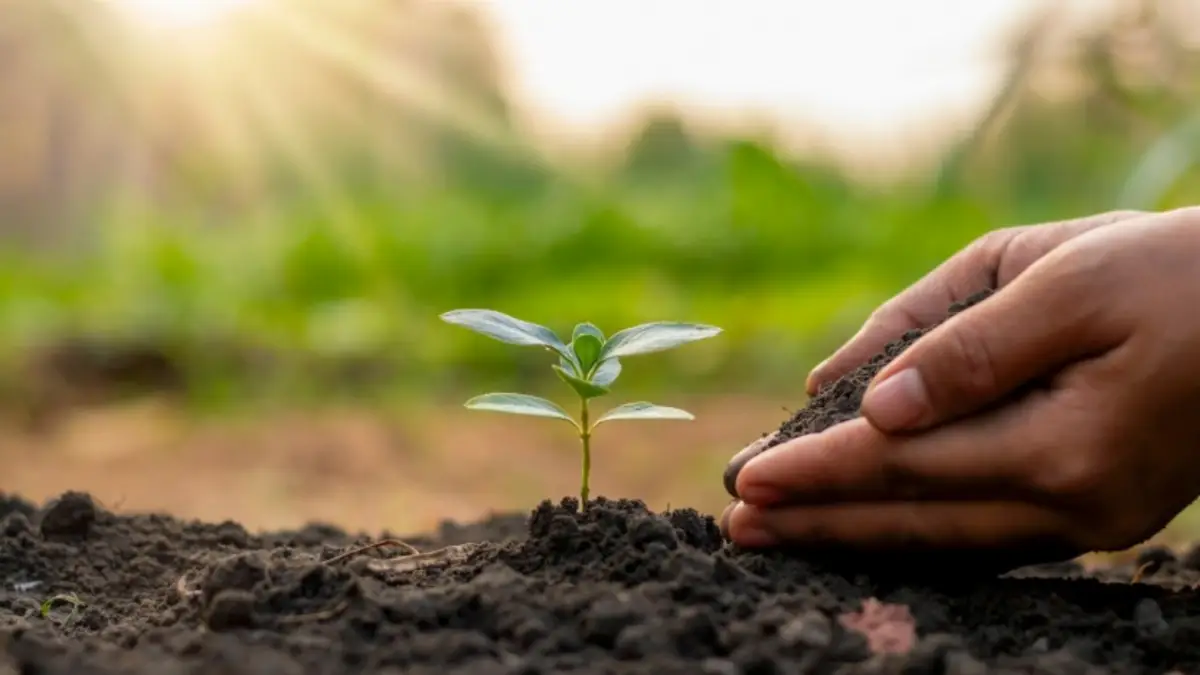
Last night, the European Council reached a provisional agreement with the European Parliament on a set of rules establishing a legal framework for new genomic techniques (NGTs).
The regulation aims to improve the competitiveness of the agri-food sector and ensure a level playing field for European operators, while strengthening food safety and reducing external dependence. The regulation ensures robust protection of human and animal health, as well as the environment, while contributing to the European Union's sustainability goals.
The interim agreement ensures a simplified procedure for NGT plants equivalent to conventional ones and addresses concerns about intellectual property and access to seeds.
The term NGT encompasses a variety of techniques that adapt seeds in ways that can also occur naturally or through conventional breeding techniques.
Using these techniques, it is possible to develop improved plant varieties more rapidly and with specific characteristics that can address the challenges facing the agri-food sector. For example, these new varieties could be more resistant to the effects of climate change, such as drought or flooding, and require less fertilizer and pesticide use.
"New genomic techniques can help us do more with less," commented Jacob Jensen , Danish Minister of Food, Agriculture and Fisheries. "The regulation will enable us to develop new plant varieties that are more resilient to climate change and require fewer fertilizers or pesticides. Our farmers and the agri-food sector will be better equipped to innovate and continue producing healthy and safe food for our citizens.
According to Oliver Várhelyi , EU Commissioner for Animal Health and Welfare, "Today's agreement represents a milestone for the use of innovation in agriculture. The new rules," he added, "will enable the EU to address growing challenges, such as those arising from emerging pests and plant diseases. With these new rules, the EU is adapting its legislation to scientific progress. This will enable market access for SMEs and for NGT applications tailored to specific European needs, while respecting high European safety standards."