



It does not receive public funding
Editor in chief:
CLARA MOSCHINI
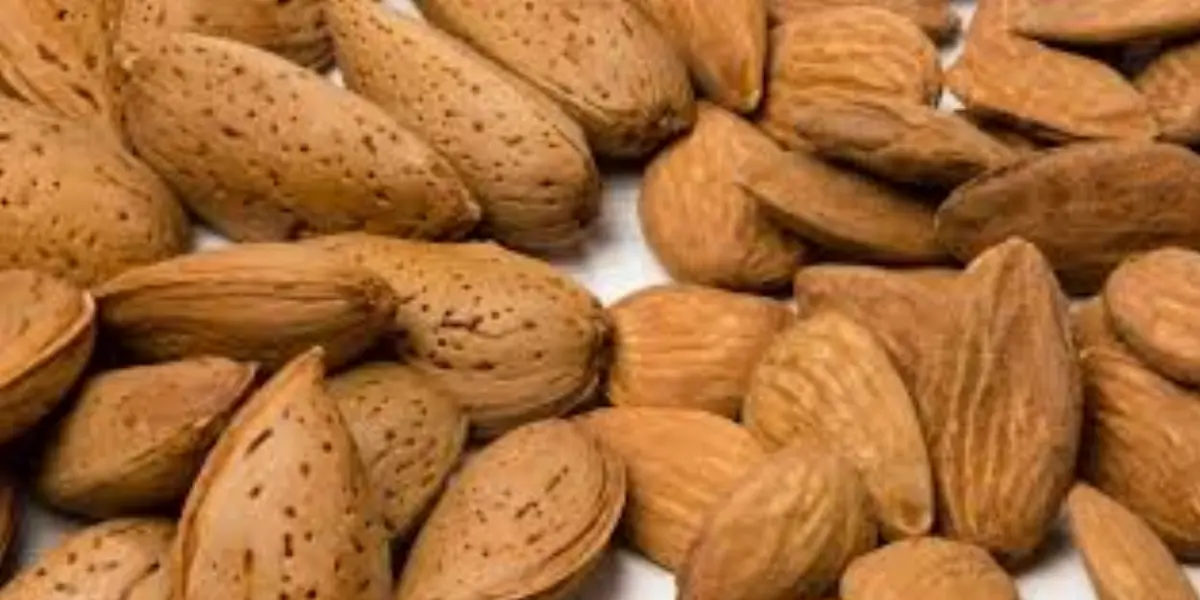
California is the world's largest almond producer, accounting for over 80% of global production. What makes this supply chain extraordinary, however, isn't just its quantity: it's the philosophy behind it, from cultivation to the last gram of product.
The Almond Board of California has made sustainability a structural priority: advanced agronomic practices to reduce water consumption, protect pollinators, and reduce emissions. And a guiding principle of zero waste: every part of the fruit has a useful purpose. The shells become fuel or bedding for livestock, the pruned branches generate renewable energy, and the hull - the outer pulp that envelops the almond - is now transformed into high-quality fodder for livestock.
But it's precisely with the hull that the most innovative chapter unfolds. What for decades was considered a byproduct to be disposed of is now at the center of an ambitious reconversion project: transforming it into a raw material for human consumption. A leap in value that could redefine the entire economics of the supply chain.
In this report, EFA News takes you to the fields of California where the most advanced production techniques are applied, with interviews with two protagonists of this story: Dave Phippen, Partner of the producer Travaille & Phippen, and Guangwei Huang, Director of Food & Technology Research at the Almond Board of California.
Watch the video: