



It does not receive public funding
Editor in chief:
CLARA MOSCHINI
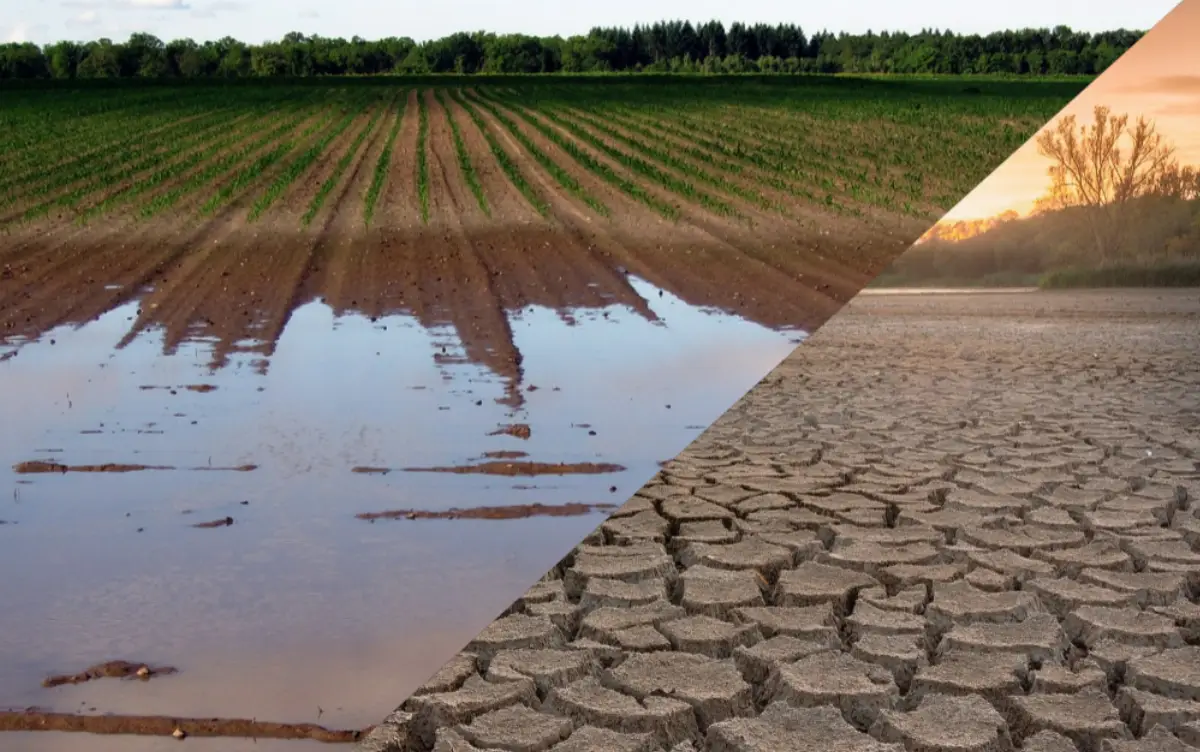
A recently published World Bank study on agricultural risk management examines the use, effectiveness, and areas for improvement of Risk Management Tools (RMTs) in several Member States, highlighting national challenges and opportunities. The study provides a detailed analysis of current policy developments and makes recommendations for the European Union and its Member States.
These recommendations also provide guidance on actions that could be further developed, as outlined in the Vision for Agriculture and Food, using the input to inform ongoing policy discussions.
The study provides elements for further reflection on the EU framework for agricultural risk management: in particular, it recognises the importance of mandatory RMTs linked to a robust EU safety net and demonstrates the complementarity between proactive risk management and reactive crisis support.
The study also highlights the importance of a more coherent and comprehensive approach to risk management across all Member States and highlights the accessibility of risk management strategies (RMTs), particularly for small farms. The report also recognizes direct payments as a key safety net for farmers.
The World Bank study offers complementary analysis to the European Commission's ongoing work in collaboration with the European Investment Bank's (EIB) fi-compass initiative. The convergence between the recent EIB report and this study highlights specific areas that deserve attention in future discussions on the CAP. Overall, the World Bank's findings reinforce the EIB's conclusions in key areas such as data harmonization, technical assistance, and multi-layered risk management, with a call for increased coherence between strategies and implementation approaches.
Context
With the increasing frequency, severity, and duration of damaging events, it is essential to contain or reduce climate risks within tolerable limits. This will help maintain the insurability and profitability of agricultural holdings, necessitating large-scale adaptation measures. The Commission is therefore committed to strengthening agricultural risk management strategies in all Member States.
The aim is to inform the development of future strategies and further strengthen agricultural risk management tools across the EU. This will ensure that crisis management and emergency preparedness encourage, rather than discourage, farmers' adoption of risk management strategies, such as shifting to more resilient farming practices. This study is the result of increased collaboration between the European Commission and the World Bank.