


It does not receive public funding
Editor in chief:
CLARA MOSCHINI
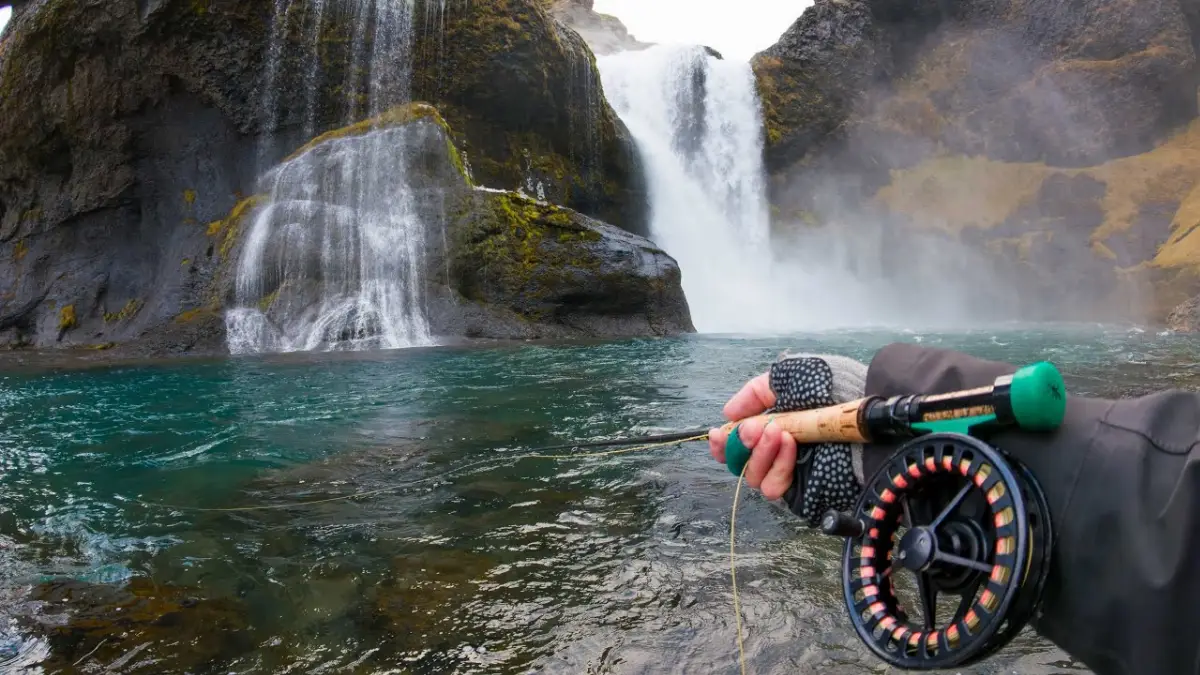
The "fishing factor" proved decisive in the far-from-obvious outcome of the recent referendum in Iceland. The population of the small island nation near the Arctic Circle rejected the proposal to continue negotiations for accession to the European Union by a majority of 52.8%, compared to 47.2% in favor.
An opposite outcome would have reopened the negotiations interrupted in 2015. At the time, Reykjavik had managed to close 11 chapters of the lengthy bureaucratic process. However, Iceland chose to maintain the status quo, limiting itself to close cooperation with the bloc of 27 EU member states.
In the end, geopolitical and global factors—the Russian-Ukrainian war, rising energy prices, unfair Chinese competition, and Trump's tariffs, along with his threats to annex Greenland—prevailed over internal interests, essentially tied to the fishing industry, which is crucial to the island's economy.
As a country with a vast Exclusive Economic Zone in the North Atlantic, the fishing industry is deeply rooted in the national consciousness. Fishing is a key employer, accounting for approximately 8% of the country's GDP and nearly 40% of exports.
Therefore, Iceland has always jealously protected its fishing rights. Between 1958 and 1976, Iceland and the United Kingdom were involved in a series of conflicts, known as the "Cod Wars," which ended with Reykjavik's victory over London.
EU membership would have subjected Iceland to the Common Fisheries Policy (CFP), which sets rules on who can fish, where and when, and how much. Most of these quotas are determined annually following negotiations. Member states are therefore responsible for ensuring that fishermen do not exceed the limits. Ahead of the referendum, a Gallup poll showed that 90% of Icelandic fisheries companies opposed joining the EU.
The government attempted to allay these concerns by declaring that it would request Brussels' "full authority" over the country's fishing system. For its part, the European Commission stated that it was ready to explore "creative" solutions. "Iceland's specificities in fisheries and agriculture are well known and will need to be carefully examined," European Commissioner for Enlargement Marta Kos stated. These statements, however, apparently failed to convince those fearing the consequences of ceding too much control over the sector.