



It does not receive public funding
Editor in chief:
CLARA MOSCHINI
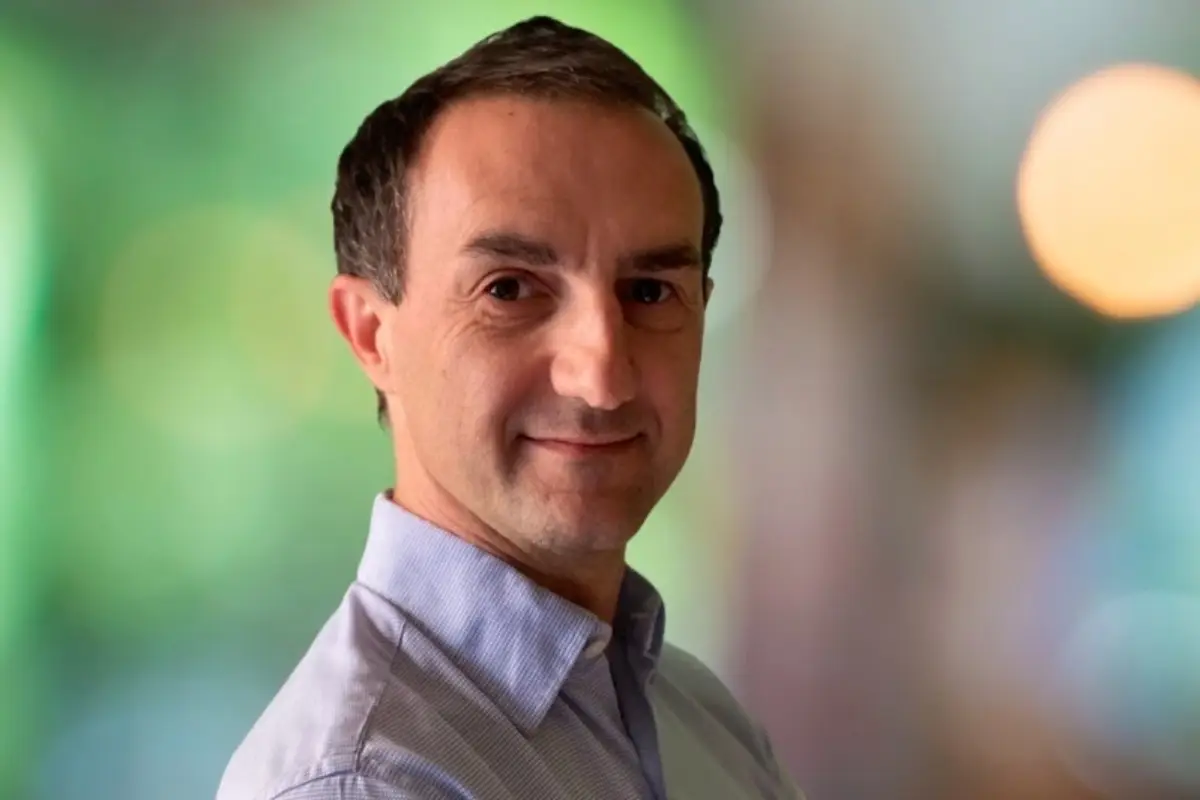
Linfa, the AgrifoodTech impact investing fund managed by Riello Investimenti Sgr, has served as lead investor in a €3 million investment round in Vinhood, an Italian company that has built a proprietary platform for understanding people through taste (see EFA News ). This operation will further strengthen the platform and expand its applications to new product categories and markets, offering particular support to food companies in their technological innovation.
Marco Fregonese (photo), CEO of Vinhood, spoke exclusively to EFA News about the platform's strategies and details of the new funding round.
Your platform processes consumer tastes through their profiles: to what extent does this method comply with the right to privacy?
Privacy protection is a principle we've designed the platform around from the very beginning. All data we collect is processed in full compliance with European data protection regulations (GDPR). The vast majority of the data we use is anonymous. Users who choose to register and share their data do so consciously to access a more personalized experience and value-added features, such as the ability to keep a diary of products they've tasted and liked, access content, and receive product suggestions consistent with their tastes and dietary preferences. For example, those who follow a vegetarian diet or prefer to avoid certain ingredients, such as dairy, can receive personalized recommendations that take these preferences into account. For us, data isn't an end in itself, but a tool to improve people's experience. The goal is to offer greater value to users while maintaining transparency, security, and full control over the information shared.
What role does artificial intelligence play in this innovation?
Artificial intelligence is one of the elements that make our technology possible, but it's not the starting point. The platform is based on a proprietary methodology with experts who combine sensory science and taste knowledge to more accurately understand people's preferences. AI is a tool that helps interpret this information on a large scale, identify relationships between tastes, products, and choice behaviors, and transform them into useful recommendations for both consumers and businesses. For people, this means receiving increasingly relevant suggestions; for brands and retailers, it means being able to develop products and services that are more aligned with real market needs. In other words, artificial intelligence doesn't replace taste knowledge: it makes it more applicable in different contexts.
How much money was invested in the project and how was it distributed?
Regarding external investments, Vinhood has so far built its own path, self-financing growth through projects and services with partner companies. The recent round marks the beginning of a new phase of development. The resources will be primarily used to enhance and scale the technological assets developed in recent years—from our taste knowledge base to artificial intelligence and proprietary sensory science methodology—with the goal of transforming them into a software platform covering an ever-increasing number of product categories and adaptable internationally, taking into account local characteristics and eating habits. The investment will also support team strengthening and accelerate commercial growth in priority markets. The strategic directions are clear: product, technology, people, and international growth.
Who are your typical customers?
Our model is B2B2C. On the one hand, we collaborate with food and beverage companies, retailers who use our platform to better understand consumers and develop more relevant products and experiences, and companies who use our platform and our team-building services to put taste front and center. On the other, we build a direct relationship with a community of consumers who use Vinhood to guide their product choices based on their tastes and food preferences. It is precisely this connection between companies and consumers that makes the platform unique.
The Linfa Fund's investment concerns—we assume—a minority stake: can you specify the amount of the investment?
Linfa is the lead investor in the €3 million round. This investment represents an important step in Vinhood's growth journey because it will allow us to accelerate the platform's development and our international expansion.
How will these new resources be used?
These new resources will allow us to accelerate a transformation already underway: evolving our technology into an increasingly widespread international software platform, expanding its applications to new product categories, new markets, and new moments of discovery, choice, and consumption, with particular attention to the needs of consumers who are increasingly seeking free-from products or products with specific nutritional and functional characteristics.
We will invest primarily in developing our digital platform and proprietary technologies, continuing to integrate artificial intelligence, sensory science, and taste knowledge to offer increasingly useful and personalized experiences. Today, we have thousands of products to choose from, but very few tools to truly understand what we like. Through digital features and personalized recommendations, we want to help people better understand their tastes and build a true "taste vocabulary," allowing them to more consciously choose products that match their preferences and lifestyle.
Taste, however, is also an experience. This is why we will continue to invest in supporting tastings, events, and experiences that help people better understand their tastes, discover new products, and actively participate. We believe that innovation in the food sector should not be designed just for consumers, but together with consumers. When people choose to participate and share their taste experiences, they also help make innovation more effective; just consider that 75% of products launched by companies fail within the first year. This allows companies to develop products that are more in tune with people's real needs, reducing the risk of waste throughout the supply chain and contributing to a more sustainable food system. Our goal, therefore, is to establish taste as a driver of choice for consumers and companies, placing it at the center of the supply chain.